

Our Blog
Pregnancy Safe Skin Care Ingredients
Pregnancy-Safe Skincare Ingredients: What to Use and What to Skip
Your skin is changing fast right now. Here is how to care for it safely.
Pregnancy is equal parts serenity, joy, anticipation, and panic. Between the parade of emotions and all the prep, you do not have much time to think about your skin. But with hormones in overdrive, it is unlikely your skin will let you cruise through this season without a few surprises. You might find yourself breaking out even if you are normally clear. You could also notice rosacea or melasma showing up for the first time.
The good news is that with a few smart swaps you can keep your skin calm and glowing without worrying about what is reaching your baby. Let us break down what is safe, what to skip, and how to build a simple routine you can feel good about.
Why Your Skin Changes During Pregnancy
Pregnancy hormones shift quickly, and your skin responds. Surges in estrogen and progesterone can ramp up oil production and trigger breakouts, while increased blood flow and sun sensitivity can bring on melasma, the patchy darkening often called the "mask of pregnancy." Some people also notice new redness or rosacea flares. None of this means anything is wrong. It simply means your routine may need a gentle rethink.
The tricky part is that some of the products you would normally reach for are off limits during pregnancy and nursing, because they can be absorbed into the bloodstream and may pose a risk to your baby. For decades, people leaned on the FDA's old letter-grade system, where ingredients were sorted into categories A, B, C, D, and X, with A meaning no known risk and X meaning strictly off limits.
Here is the important update: the FDA officially retired that letter-category system. In 2015 it was replaced by the Pregnancy and Lactation Labeling Rule, and the old A through X letters were removed from prescription labels entirely by 2018. The letters were considered too simplistic and were often misread as a tidy grading scale when the real picture is more nuanced. Today the smarter approach is to look at how much of an ingredient absorbs into the body and what the research says, then confirm anything you are unsure about with your OB or midwife.
Quick note: "Pregnancy-safe" is rarely black and white. Absorption, concentration, and how often you use a product all matter. When in doubt, ask your provider before adding or keeping anything in your routine.
Our Top Recommended Product
#1 Pick | Gentlest Strength
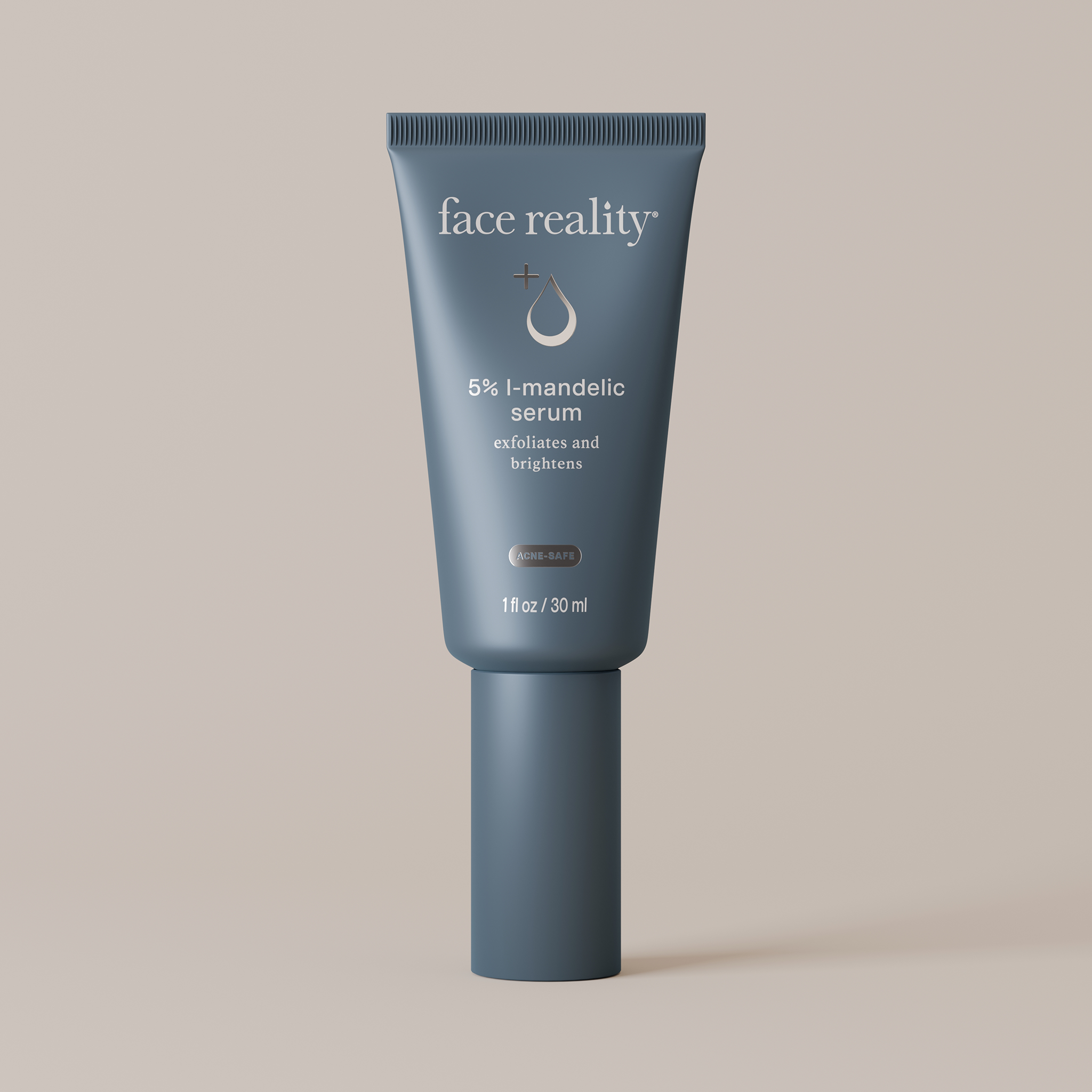
Mandelic Acid 5%
Alpha hydroxy acids (AHAs) like lactic and glycolic are generally considered safe during pregnancy and nursing, and one stands out from the rest: mandelic acid. Derived from bitter almonds, it is a multitasker that addresses breakouts, fine lines, and discoloration at once. Because of its larger molecular size, it absorbs slowly and is gentler than most AHAs, so it is far less likely to trigger post-inflammatory hyperpigmentation, even in deeper skin tones. It is also a natural melanin inhibitor, which makes it a beautiful choice for fading hormonally driven melasma.
Mandelic serum comes in several strengths, and during pregnancy we recommend starting with the lowest, the 5 percent. It gives you all the brightening and clarifying benefits with the least chance of irritation while your skin is extra reactive. You can always step up to 8 percent later, once your skin is comfortable and your provider has cleared it.
Ingredients to Skip During Pregnancy and Nursing
Retinoids
Vitamin A is essential for your baby's development, but too much is a problem. Excess vitamin A during pregnancy has been linked to birth defects, and you already get what you need from your diet. This is not the season to add it topically. Any form of vitamin A, including Retin-A, retinyl, retinol, and other retinoids, should come off your routine for now.
Tazorac and Accutane
These prescription acne fighters are firmly off the table during pregnancy. Both are known to carry a serious risk of birth defects, which is why they were classified at the highest risk level under the old system and remain strongly contraindicated today. If you are taking either, talk to your doctor right away about stopping.
Hydroquinone
Used for skin lightening, hydroquinone has a notably high absorption rate, roughly 35 to 45 percent. Research on its use during pregnancy is very limited and inconclusive, and that high absorption rate is reason enough for extra caution. Our advice is to pause hydroquinone during pregnancy and nursing.
A Word on Soy
Soy-based products have an estrogenic effect, which can make acne and melasma worse for some people. If you love a soy formula, look for "active soy" products that have had the estrogenic components removed.
Use With Caution (Check With Your Provider)
Benzoyl Peroxide
Opinions vary here. Many providers consider benzoyl peroxide low risk in limited amounts during pregnancy. Studies suggest that when applied topically, only about 5 percent is absorbed through the skin, and it is then fully broken down to benzoic acid and cleared from the body. It is highly effective for acne, but because guidance is not unanimous, it is wise to limit your use or choose an alternative while pregnant or nursing, and to run it by your OB first.
Salicylic Acid
This beta hydroxy acid shows up in countless acne washes and creams. Used topically in small amounts, it is generally considered safe, but it is a relative of aspirin and it does absorb through the skin, and there is limited pregnancy-specific research. We tend to err on the side of caution and use it sparingly. It can be lovely for certain conditions like rosacea and it shines blended into professional chemical peels, but it is not our first choice for treating acne during pregnancy.
Pregnancy-Safe Favorites
Mandelic and Other AHAs
Mandelic acid is our top pick (see above), and the other gentle AHAs, lactic and glycolic, are also generally considered safe. These natural exfoliators support cell renewal and a brighter, smoother surface without harsh actives.
Azelaic Acid
Azelaic acid is a quiet hero during pregnancy. It is widely considered safe and works on multiple fronts at once, calming breakouts, evening tone, and softening the look of melasma. If hydroquinone is off the table, this is one of the best brightening alternatives you can reach for.
Erythromycin
Topical erythromycin is an antibiotic that targets acne-causing bacteria, and it is considered a low-risk, pregnancy-friendly way to manage breakouts.
Sulfur
A natural mineral that fights bacteria and helps shed dead skin, sulfur has been used for centuries to treat acne, psoriasis, eczema, and rosacea, and it is considered safe to use during pregnancy.
Vitamin C (Ascorbic Acid)
This essential antioxidant supports collagen production and helps keep skin glowing, clear, and protected from the effects of UV exposure. It is a wonderful overall skin enhancer that is safe during pregnancy and nursing. It is not ideal for every skin type, especially if you are very acne prone or oily, but it is lovely for normal to dry skin and can be used in the daytime.
Mineral Sunscreen
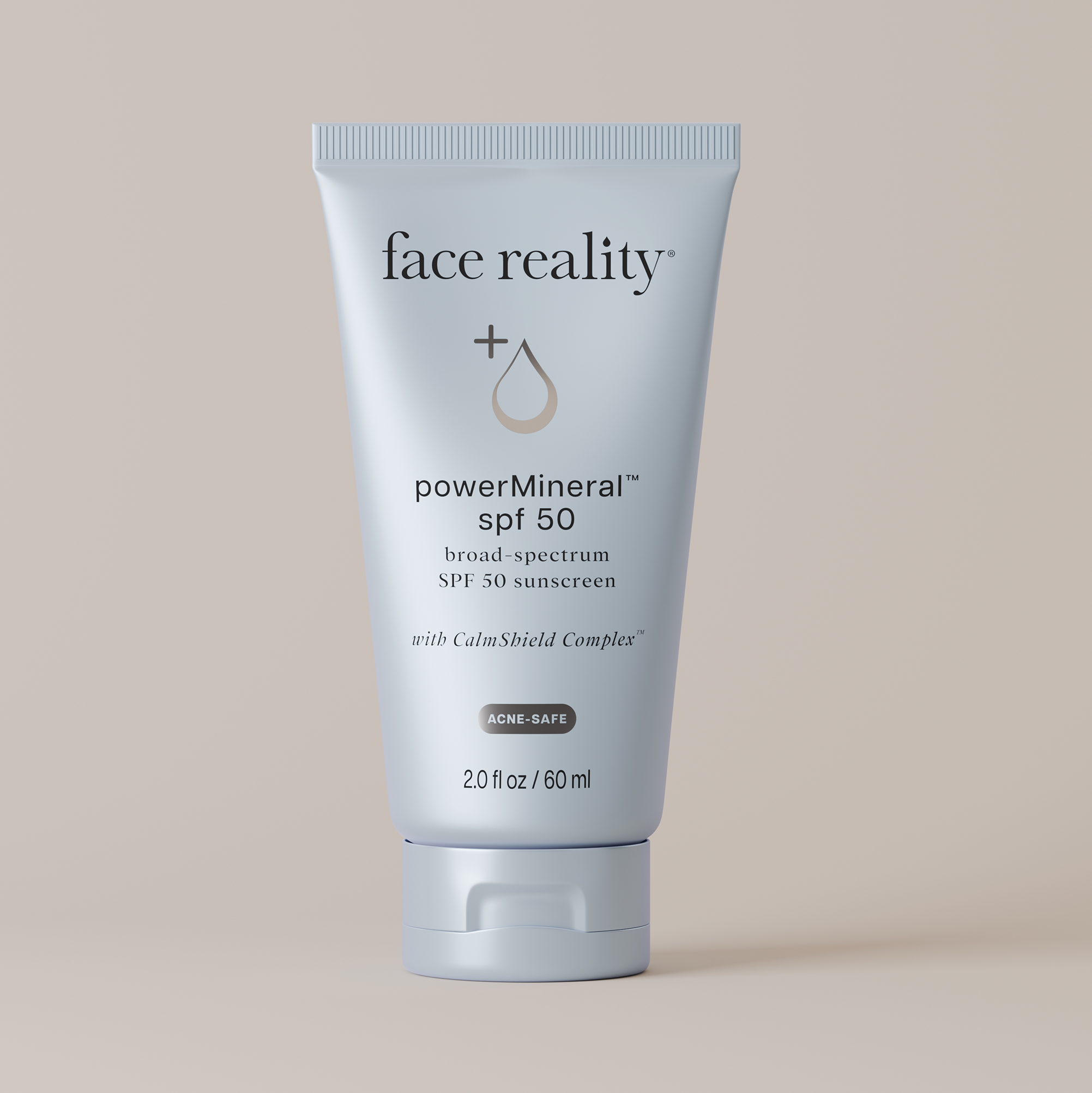
Because UV exposure can worsen melasma, daily sunscreen is non-negotiable during pregnancy. Choose a mineral (physical) sunscreen made with zinc oxide and titanium dioxide, which sit on the surface rather than absorbing into the skin, and steer clear of formulas containing oxybenzone. Our two SPF heroes, powerMineral SPF 50 and Brilliant Defense SPF 50, are both mineral formulas that fit the bill beautifully.
Pro tip: Sunscreen is the single most powerful thing you can do for pregnancy melasma. Apply it every morning, even on cloudy days and indoors near windows, and reapply when you are outside.
Your Pregnancy-Safe Routine
A simple, gentle three-step routine covers most of what your skin needs during pregnancy: clarify, brighten, and protect. Introduce one product at a time and give your skin a couple of weeks to adjust.
Step 1 · Clarify
Mandelic Acid 5% SerumThe gentlest mandelic strength. Smooths texture, calms breakouts, and fades melasma with minimal irritation.

Step 2 · Brighten
Vivant Vitamin C + E SerumA daytime antioxidant that keeps skin glowing and supports an even tone. Best for normal to dry skin.
Step 3 · Protect
powerMineral SPF 50A mineral sunscreen with zinc oxide and titanium dioxide. The single most important step for melasma.
Good to know: Not sure where to start? Book a visit and we will build a pregnancy-safe routine around your skin, your stage, and anything your provider has flagged.
Professional Treatments During and After Pregnancy
You do not have to put self-care on hold for nine months. Plenty of in-studio treatments are gentle and pregnancy-friendly, and a few are best saved for after your baby arrives.
- Great during pregnancy: relaxing, hydrating facials, gentle mandelic-based care, lymphatic facial massage, and brow and lash services. These keep your skin calm and cared for without aggressive actives.
- Save for postpartum: stronger chemical peels, resurfacing, and intensive acne protocols. Once your baby is here and your doctor gives the green light, we can resume peels to address anything that surfaced during pregnancy, including lingering melasma.
If you are ever unsure whether a treatment is right for your stage, just ask. We will always tailor your visit to where you are.
Spotlight: Managing Pregnancy Melasma
Melasma is one of the most common pregnancy skin concerns, and one of the most frustrating. Those patchy areas of darkening on the cheeks, forehead, and upper lip are driven by a mix of hormones and sun exposure, which is why they can be so stubborn. The encouraging news is that melasma often fades on its own in the months after delivery, and you can do a lot to keep it from deepening in the meantime.
- Protect first: daily mineral SPF is the most important step. UV light is the biggest trigger, so a hat and shade help too.
- Brighten gently: azelaic acid, vitamin C, and mandelic acid are pregnancy-safe ways to soften discoloration over time.
- Skip the strong stuff: hydroquinone and retinoids are off limits for now, so save those conversations for postpartum.
Good to know: Be patient with melasma. It responds slowly, and consistency beats intensity. Steady sun protection and gentle brightening will serve you far better than anything harsh.
Daily Habits for Healthy Pregnancy Skin
- Wear SPF every day, even indoors near windows and on cloudy days.
- Keep it simple. A gentle cleanser, a pregnancy-safe active, a moisturizer, and sunscreen is plenty.
- Hydrate inside and out. Drink water and use a barrier-supporting moisturizer to ease dryness and itch.
- Hands off. Try not to pick at breakouts, which can lead to lingering dark marks.
- Patch test new products since pregnancy skin can be more reactive than usual.
Your skin is doing remarkable work right now, and it deserves gentle, thoughtful care.
With a few smart swaps you can keep breakouts, melasma, and rosacea in check without worrying about what is reaching your baby. If you want help building a pregnancy-safe routine, we would love to walk through it with you.
This guide is for general education and is not a substitute for medical advice. Always confirm any product or ingredient with your OB, midwife, or doctor before using it during pregnancy or nursing.