

Our Blog
Food for your Face | Macros & Recipes
Skin Nutrition · Puresthetics Skin Care
Food for Your Face:
Macros, Micros & Recipes
What you put on your face matters. But what you put on your plate? That might matter even more.
Your skin is your body's largest organ and it responds directly to what you eat every single day. Think of food as your skin's first infrastructure: it supplies the raw materials for cell regeneration, hydration, collagen production, and defense against stressors like UV exposure, environmental pollution, and chronic inflammation.
In this guide, we're breaking down the essential macronutrients and micronutrients your skin depends on, why they work, and three easy recipes to help you glow from the inside out.
The Foundation How Nutrition Affects Skin Health
Your skin is a direct reflection of your internal health. Nutritional gaps, blood sugar spikes, digestive dysfunction, and chronic inflammation don't stay hidden inside the body. They show up on your face as breakouts, dullness, irritation, or accelerated aging.
The good news: the right nutrients can flip the script. A well-nourished body produces more collagen and elastin, regulates sebum more effectively, and maintains a stronger skin barrier. Here's what consistent, targeted nutrition can do:
"Skin health isn't just a topical problem. It's a whole-body conversation, and nutrition is one of the most powerful seats at the table."
- — Boost collagen and elastin production for firmer, smoother skin
- — Balance hormones and reduce breakout frequency
- — Neutralize oxidative stress that drives wrinkles and hyperpigmentation
- — Strengthen the skin barrier against irritants and moisture loss
- — Improve microcirculation for a natural, lasting glow
Macronutrients Fueling Your Skin from Within
Macronutrients are the big three: protein, fat, and carbohydrates. All three play distinct and irreplaceable roles in skin function. Here's what each one does and where to find it.
Macro 01
Protein — Repair & Collagen Production
Collagen, elastin, and keratin — the three major structural proteins in skin — are built entirely from amino acids. Without adequate dietary protein, your body simply cannot produce or maintain them. This means slower wound healing, loss of firmness, and increased vulnerability to environmental damage.
- Firms and strengthens the skin matrix
- Supports tissue repair and post-treatment healing
- Promotes scar reduction and skin turnover
- Essential for hair and nail integrity
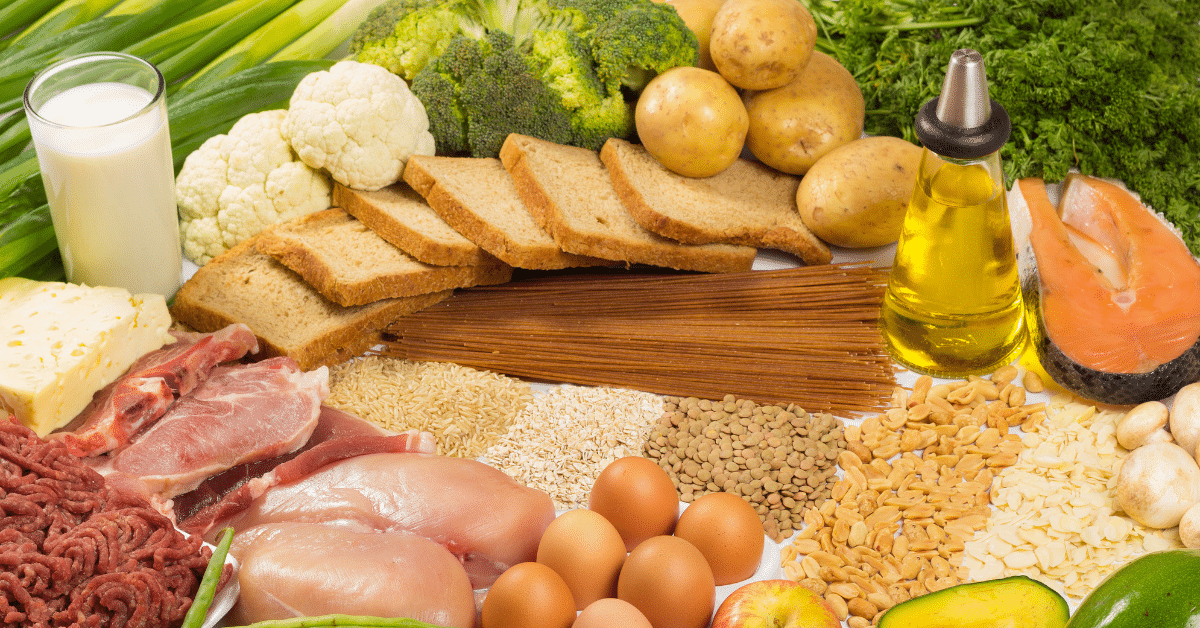
Best sources: Eggs, wild-caught salmon, lean poultry, grass-fed beef, legumes, tempeh, quinoa, collagen peptides
Macro 02
Healthy Fats — Hydration & Barrier Function
Omega-3 and omega-6 fatty acids are the backbone of your skin's lipid barrier, the outermost protective layer that keeps moisture locked in and irritants locked out. A compromised lipid barrier is the root cause of chronic dryness, sensitivity, and many inflammatory skin conditions including acne, eczema, and rosacea.
- Maintains a resilient, hydrated skin barrier
- Calms inflammation and reduces redness
- Protects against environmental stressors
- Enables absorption of fat-soluble vitamins A, D, E, and K
Best sources: Avocado, flaxseed, chia seeds, walnuts, extra virgin olive oil, hemp seeds, fatty fish (salmon, sardines, mackerel)
Macro 03
Complex Carbohydrates — Energy & Anti-Aging
Not all carbs are equal. Refined sugars and simple carbs spike insulin rapidly, which triggers sebum overproduction and hormonal acne while accelerating a process called glycation — where sugar molecules bind to collagen and break it down. Complex carbs digest slowly, keep blood sugar stable, and deliver fiber and antioxidants your skin needs to stay clear and youthful.
- Prevents glycation-related collagen degradation
- Stabilizes insulin and reduces hormonal breakouts
- Feeds gut microbiome for clearer skin
- Rich in phytonutrients with anti-aging properties
Best sources: Sweet potatoes, oats, quinoa, brown rice, legumes, leafy greens, cruciferous vegetables, whole fruits
Micronutrients Small Doses, Big Impact
Vitamins and minerals work behind the scenes to regulate hundreds of skin processes. These are the ones your skin depends on most.
| Nutrient | What It Does for Skin | Best Food Sources |
|---|---|---|
| Vitamin A | Accelerates cell turnover, reduces clogged pores, supports the skin renewal cycle that retinoids mimic topically | Sweet potatoes, carrots, spinach, egg yolks, liver |
| Vitamin C | Essential cofactor for collagen synthesis; brightens hyperpigmentation and neutralizes free radical damage | Bell peppers, kiwi, citrus, strawberries, broccoli |
| Vitamin E | Lipid-soluble antioxidant that reinforces the skin barrier, prevents moisture loss, and works synergistically with Vitamin C | Almonds, sunflower seeds, avocado, wheat germ oil |
| Zinc | Regulates oil production, calms inflammatory acne, and accelerates wound healing and blemish recovery | Pumpkin seeds, chickpeas, oysters, cashews, lentils |
| Selenium | Partners with Vitamin E to combat oxidative stress; supports elasticity and helps prevent UV-induced cell damage | Brazil nuts (just 1-2 daily), mushrooms, whole grains, eggs |
| Probiotics | Supports the gut-skin axis: a balanced microbiome reduces systemic inflammation and improves nutrient absorption, both of which directly impact skin clarity | Kimchi, sauerkraut, kefir, plain yogurt, miso, kombucha |
The Gut-Skin Axis
Research continues to strengthen the connection between gut microbiome health and skin clarity. Chronic gut imbalance (dysbiosis) increases intestinal permeability, which drives systemic inflammation that surfaces as acne, rosacea, and eczema. Feeding your gut with fiber-rich foods and fermented sources isn't just digestive care — it's skin care.
Skin-First Recipes Three Glow-Enhancing Meals to Try
You don't need to overhaul your entire diet overnight. Start here. These three recipes are designed to be simple, satisfying, and strategically stacked with skin-supporting nutrients.
Recipe 01 · Breakfast
Radiance Smoothie Bowl
Vitamins C, E, A
Omega-3
Collagen Support
Hormone-Friendly
Blend
- 1 frozen banana
- ½ cup blueberries
- ¼ avocado
- 1 handful of spinach
- 1 tbsp flaxseeds
- 1 scoop collagen peptides (optional)
- ¾ cup unsweetened almond milk
Toppings
- Sliced strawberries
- Chia seeds
- Pumpkin seeds
- Raw honey drizzle
Great post-facial or as a hormone-friendly breakfast. The blueberries and spinach deliver antioxidants, flax adds omega-3s, and collagen peptides give your skin's structural repair a direct boost.
Recipe 02 · Lunch or Dinner
Sweet Potato & Kale Nourish Bowl
Beta-Carotene
Zinc
Anti-Inflammatory
High Fiber
Bowl Base
- 1 roasted sweet potato, cubed
- 1 cup kale, sautéed with garlic + olive oil
- ½ cup cooked quinoa
- ½ avocado, sliced
- 2 tbsp pumpkin seeds
Tahini Dressing
- 2 tbsp tahini
- Juice of ½ lemon
- Pinch of sea salt
- 2–3 tbsp water to thin
This bowl hits multiple skin targets at once: beta-carotene from sweet potato supports cell turnover, zinc from pumpkin seeds calms inflammatory acne, and healthy fats from avocado and olive oil reinforce the skin barrier. Great for clients managing hormonal breakouts.
Recipe 03 · Evening Wind-Down
Golden Milk Glow Tonic
Anti-Inflammatory
Antioxidant
Low Sugar
Stress Support
Ingredients
- 1 cup oat or almond milk
- ½ tsp turmeric
- ¼ tsp cinnamon
- ¼ tsp fresh grated ginger
- Pinch of black pepper (activates curcumin)
- 1 tsp raw honey
Optional Add-Ins
- Reishi mushroom powder (hormone + stress support)
- Ashwagandha (cortisol regulation)
- Collagen peptides
Curcumin, the active compound in turmeric, is one of the most well-researched natural anti-inflammatories available. Sip this before bed or after a treatment to calm systemic inflammation and support overnight skin repair. The black pepper is non-negotiable — it dramatically increases curcumin bioavailability.
Daily Habits Skin Nutrition Essentials
Hydrate Strategically
Aim for half your body weight in ounces of water daily. Add lemon, cucumber, or liquid chlorophyll for an added skin boost.
Balance Blood Sugar
Always pair carbohydrates with protein or fat. Insulin spikes are a direct trigger for hormonal acne and glycation-driven aging.
Eat the Rainbow
Different pigments = different antioxidants. The wider the color variety on your plate, the more comprehensive your skin's protection.
Limit Processed Foods
Ultra-processed foods and refined sugar accelerate glycation, fuel inflammation, and disrupt gut health — three of the most common drivers of chronic skin issues.
Feed Your Gut Daily
Incorporate fermented foods or a daily probiotic supplement. A healthy microbiome reduces inflammatory signals that show up on your skin.
Don't Fear Fat
Fat-soluble vitamins A, D, E, and K cannot be absorbed without dietary fat. Low-fat diets often silently undermine skin barrier function and vitamin status.
You don't need a shelf full of products to achieve genuinely healthy skin. You need the right nourishment — inside and out. Start with one of these meals this week, and let your skin do the rest of the talking.
Ready to go deeper? Our Acne Bootcamp program pairs professional skin care with nutrition and lifestyle coaching to get your skin clear from every angle.
Book a Consultation