

Our Blog
Dark Spots on the Body | PurestheticsPro Blog
Puresthetics Skin Care Blog
Dark Spots on the Body:
Causes, Treatments & Products
Your face isn't the only place pigmentation shows up. Your body deserves the same attention.
Dark spots, uneven tone, and lingering discoloration on your body are more common than most people realize, and they're just as treatable as the marks on your face.
Whether you're noticing patches on your arms, legs, chest, back, or underarms, body hyperpigmentation can feel stubborn and frustrating. The good news? Once you understand what's causing it, you can build a routine that actually works. For tougher areas like the back, a professional peel can make a dramatic difference. Let's break it all down.
What Are Dark Spots on the Body?
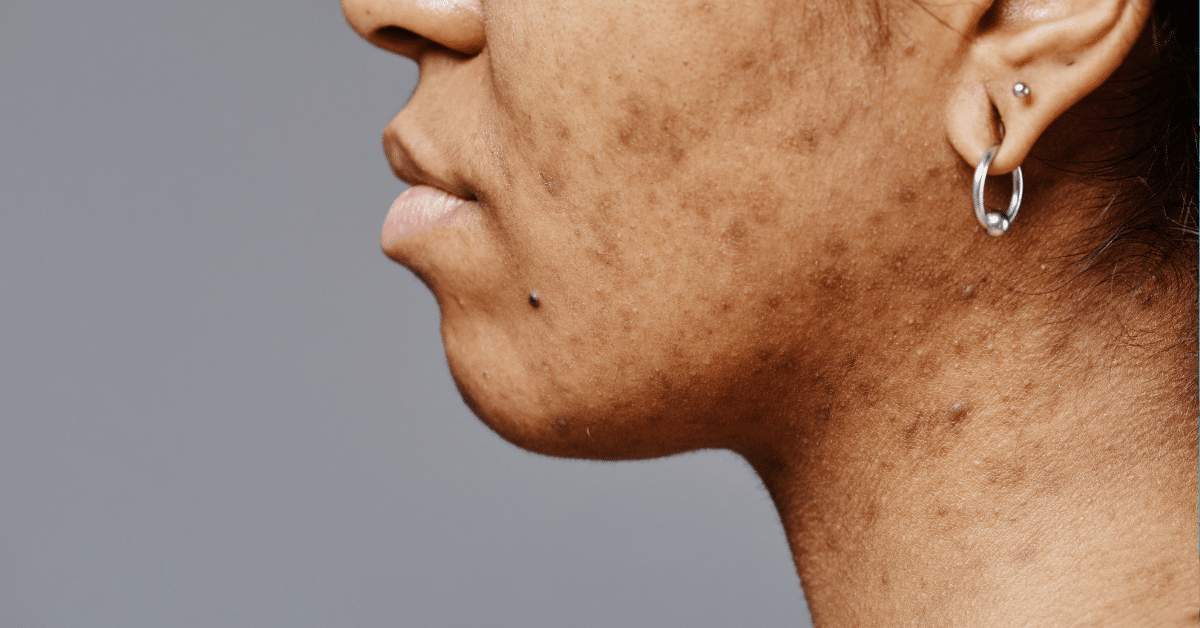
Dark spots on the body are areas where melanin (the pigment that gives skin its color) has been overproduced. This excess pigment can appear as flat brown or gray patches, post-injury marks, or areas of general uneven tone. Just like on the face, these spots can range from light tan to deep brown depending on your skin tone and the underlying cause.
Body dark spots are extremely common, especially on areas that are frequently exposed to the sun or prone to friction and irritation: the shoulders, chest, forearms, hands, knees, elbows, and inner thighs.
Quick Note: Not all dark spots are the same. Identifying the type and cause is key to choosing the right treatment. What fades a sunspot may do nothing for a post-inflammatory mark.
Our Top Recommended Product

#1 Pick | Retinol Treatment
Clear Body Therapy
This is the product we recommend above all others for body dark spots. Clear Body Therapy is a retinol treatment that accelerates cell turnover, pushes pigmented cells to the surface, and visibly fades stubborn discoloration over time. It's effective, well-tolerated, and works on all the hard-to-treat areas including the back, thighs, underarms, and more. Use 2 to 3 times per week at night and build up gradually for best results.
Shop Clear Body TherapyCommon Types & Their Causes
Sunspots (Solar Lentigines)
These flat, brown spots develop from years of UV exposure. They're most common on the hands, arms, shoulders, and chest, essentially anywhere that regularly sees the sun. They tend to multiply and darken with age and are one of the most common types of body hyperpigmentation.
Post-Inflammatory Hyperpigmentation (PIH)
PIH occurs after skin trauma such as a cut, burn, bug bite, ingrown hair, or even a bad shave. As the skin heals, it can overproduce melanin in that area, leaving a dark mark behind. This is especially common in medium-to-deep skin tones and can affect the legs, back, chest, and bikini area.
Friction & Pressure Spots
Areas of chronic friction such as the inner thighs, underarms, knees, and elbows often develop darkening over time. Tight clothing, repeated rubbing, and certain fabrics all contribute to this type of pigmentation. This is also sometimes linked to conditions like acanthosis nigricans, which can signal hormonal imbalances and is worth discussing with a provider.
Underarms specifically: Dark underarms are one of the most common concerns we see and one of the most misunderstood. Shaving, deodorant buildup, tight clothing, and friction all play a role. The skin here is thin and sensitive, so aggressive scrubbing or harsh products often make it worse. Gentle, consistent treatment is the key.
Hormonal Pigmentation
Just like melasma on the face, hormonal shifts from pregnancy, birth control, or hormone therapy can cause pigmentation on the body, particularly the abdomen, chest, and inner thighs.
Keratosis Pilaris (KP) Marks
KP (those small, rough bumps typically on the upper arms and thighs) can leave behind dark spots after the bumps are irritated or picked at. The discoloration is a form of PIH and can be stubborn without the right ingredients.
Watch: Hyperpigmentation in Brown Skin
Want to see how hyperpigmentation shows up and is treated in deeper skin tones? Watch this quick video from our channel for a closer look.
How to Treat Dark Spots on the Body
The approach to treating body hyperpigmentation is similar to treating it on the face, but with a few key differences: body skin is thicker, more resilient, and often responds well to stronger formulations. Consistency is everything.
1. Exfoliate Regularly
Exfoliation is your first line of defense. It removes the layer of pigmented dead skin cells and allows brightening ingredients to absorb more effectively.
- AHAs (Glycolic & Lactic Acid): Best for overall brightening and smoothing. Lactic acid is especially great for dry or sensitive skin.
- BHAs (Salicylic Acid): Ideal if you have body acne or clogged pores causing the marks.
- Physical Exfoliants: Use gently — a soft body scrub 2–3x per week can help, but over-scrubbing causes inflammation and worsens pigmentation.
2. Apply Brightening Ingredients
After cleansing and exfoliating, target the spots directly with proven brightening actives:
- Vitamin C: Inhibits melanin production and brightens existing discoloration. Apply a Vitamin C serum or body lotion with stabilized Vitamin C after showering.
- Niacinamide: Gentle, anti-inflammatory, and excellent at reducing melanin transfer to skin cells. Great for KP marks and friction spots.
- Kojic Acid & Azelaic Acid: Target abnormal melanocyte activity with minimal irritation — a good option for sensitive areas like the inner thighs or underarms.
- Retinoids: Speed up cell turnover and push pigmented cells to the surface faster. Start with a lower percentage on body skin and build up slowly.
- Alpha Arbutin: A gentle but powerful melanin inhibitor that works well on persistent spots.
Pro tip: Body skin can handle slightly higher concentrations of active ingredients than facial skin, but always introduce new actives slowly and watch for irritation, especially in areas prone to friction.
3. Protect with SPF Every Single Day
This one is non-negotiable. Any brightening progress you make will be undone by sun exposure if you skip sunscreen. UV rays darken existing spots and trigger the production of new ones.
- Use a broad-spectrum SPF 30+ on all exposed body skin daily.
- Reapply every 2 hours when outdoors.
- Mineral SPF (zinc oxide, titanium dioxide) is ideal if you have sensitivity or are treating active pigmentation.
Products Worth Exploring
When building your body brightening routine, look for formulations that combine multiple brightening actives. Here are categories to shop for:

Step 1 — Exfoliate
A dual-action physical and chemical exfoliant with mandelic acid. Use 2–3x per week to lift pigmented dead skin cells and smooth rough texture.
Boost — Retinol
A retinol treatment that speeds up cell turnover and pushes pigmented cells to the surface faster. Use 2–3x per week at night on stubborn spots and build up slowly.

Step 2 — Brighten
A higher-strength mandelic acid serum that accelerates cell turnover and fades stubborn dark spots. Great for concentrated areas of discoloration.

Step 3 — Protect
Broad-spectrum daily protection that prevents UV from darkening existing spots or creating new ones. Non-negotiable in any brightening routine.
Professional Treatments for Body Dark Spots
If your home routine isn't moving the needle fast enough, professional treatments can accelerate results significantly. Here's what to consider:
- Chemical Peels: Deeper exfoliation that targets pigmented cells and speeds up cell turnover. A series of peels can make a dramatic difference for stubborn body spots — and yes, we offer peels specifically for the back and body, not just the face.
- Microdermabrasion: A physical resurfacing treatment that buffs away the top layer of pigmented skin. Excellent for sun-damaged areas on the chest, shoulders, and arms.
- Microneedling: Stimulates collagen and helps break up deep pigmentation. Best for areas like the back, chest, and legs with larger zones of discoloration.
- IPL / Laser Treatments: Target pigment directly with light energy. Important note: not all lasers are safe for all skin tones — be sure to consult with a professional to avoid adverse reactions.
Spotlight: Back Peels for Dark Spots
The back is one of the most commonly neglected areas when it comes to skin care, and also one of the hardest to treat at home. It's prone to breakouts, sun damage, and post-inflammatory marks that can linger for months without the right intervention. That's where a professional back peel comes in.
A back peel is a chemical exfoliation treatment applied to the entire back (or targeted zones) to deeply resurface the skin, fade dark spots, smooth texture, and clear congestion. It's one of the most effective professional treatments we offer for body hyperpigmentation.
What to Expect from a Back Peel
- During the treatment: You'll feel a mild tingling or warmth as the peel solution is applied. Most clients find it very tolerable. The treatment typically takes 30 to 45 minutes.
- Immediately after: Skin may appear slightly pink or flushed. Some mild tightness is normal and typically resolves within a few hours.
- Days 2 to 5: Light peeling or flaking is common as the old, pigmented skin begins to shed. This is the process working. Do not pick or force the peeling.
- After the peel: Skin will look smoother, brighter, and more even. Dark spots will begin to fade with each subsequent treatment.
- Best results: A series of 3 to 6 peels spaced 2 to 4 weeks apart is recommended for significant pigmentation. Maintenance treatments every 4 to 6 weeks help sustain results.
Good to know: Back peels work best when combined with a consistent home care routine. Using the Face Reality Mandelic Scrub and Mandelic Acid Serum between appointments will extend your results and keep skin turning over between sessions.
Spotlight: Dark Underarms | Tips & What to Expect
Dark underarms are incredibly common and can affect people of all skin tones. Despite how widespread this concern is, it's still something many people feel embarrassed about and often treat incorrectly. The good news is that with the right approach, real improvement is absolutely possible.
Common Causes of Dark Underarms
- Shaving: Repeated shaving causes micro-irritation and trauma to the skin, triggering PIH over time. Switching to waxing or laser hair removal can significantly reduce darkening.
- Deodorant and antiperspirant ingredients: Certain chemicals, particularly aluminum compounds and fragrances, can cause irritation and contribute to discoloration.
- Friction from clothing: Tight sleeves, synthetic fabrics, and repeated rubbing all aggravate the delicate underarm skin.
- Dead skin buildup: The underarm area is often missed during exfoliation, allowing pigmented dead skin cells to accumulate.
- Hormonal factors: Insulin resistance and hormonal imbalances can cause a condition called acanthosis nigricans, which creates velvety dark patches in skin folds including the underarms.
How to Treat Dark Underarms at Home
- Gently exfoliate the area 1 to 2 times per week with a mild AHA product. The Face Reality Mandelic Scrub is a great option as mandelic acid is gentle enough for sensitive skin.
- Apply a niacinamide or kojic acid serum to the underarm area after showering. These ingredients are well-tolerated on thinner, more reactive skin.
- Switch to a fragrance-free, aluminum-free deodorant to reduce ongoing irritation.
- Wear loose, breathable fabrics when possible to minimize daily friction.
- Be patient and consistent. Underarm pigmentation is slow to respond, but it does respond with the right routine.
What to Expect from Professional Treatment
- Timeline: Underarm pigmentation typically requires 8 to 12 weeks of consistent home care before visible improvement, and professional treatments can accelerate this timeline significantly.
- Professional peels: A gentle chemical peel applied to the underarm area can resurface pigmented skin safely. Because the skin here is thinner, lighter peel strengths are used and results build gradually over a series of treatments.
- What you won't see: Overnight results. Underarm darkening developed over time and will fade over time. Clients who stay consistent see real, lasting change — those who expect instant results are often disappointed. Set realistic expectations and trust the process.
Our recommendation: If you're dealing with dark underarms, start with a virtual consultation so we can evaluate the cause and build a plan that actually fits your skin. The wrong products can make this area worse, so professional guidance matters here.
Prevention: Stop New Spots Before They Start
- Wear SPF daily — even on your chest, arms, and hands, not just your face.
- Don't pick at bug bites, ingrown hairs, or blemishes on your body. This is one of the fastest ways to create PIH.
- Moisturize consistently. A healthy, hydrated skin barrier is less prone to inflammation and pigmentation.
- Wear loose, breathable fabrics if friction in areas like the inner thigh is an issue.
- Address the root cause. If hormonal imbalances or insulin resistance are contributing to darkening (especially in skin folds), talk to your doctor or esthetician about a comprehensive plan.
Dark spots on your body are common, but they're not something you just have to live with.
With the right combination of exfoliation, brightening actives, consistent SPF, and professional treatments when needed, you can fade existing discoloration and prevent new spots from forming. Your body deserves the same care and attention as your face.
Have questions about which products or treatments are right for your skin? We'd love to help.
Book Your Consultation